JRPG dossier
Touhou Genso Wanderer Reloaded
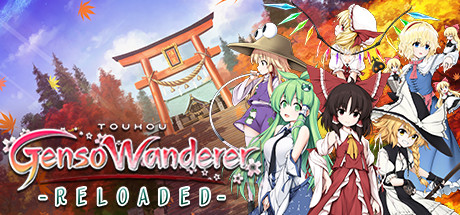
- Vibe
- Roguelike Gensokyo dungeon crawler with party-chat seasoning
- Playtime
- 20-40 hours
- Difficulty
- Medium-high, tile-and-inventory
- Store
- Steam
The Hook & Core Philosophy
Touhou Genso Wanderer Reloaded is Aqua Style's official-ish (licensed) Touhou roguelike RPG: you walk Gensokyo-flavored dungeons on tiles, manage a party of familiar faces, and treat floors like a Japanese mystery-dungeon cousin rather than like Luna Nights' mansion. It is the other Touhou Steam path. Not a Metroidvania, not a shmup, a JRPG-roguelike hybrid that Japanese fans of Mystery Dungeon grammar immediately understand. Reloaded is the expanded build you actually buy. Overseas Touhou-only-from-Luna-Nights players sometimes bounce off the menus. Japanese players recommend it when someone wants a long Gensokyo stay with party banter and floor-after-floor item literacy. It earns a JRPG tag on this radar because the conversation, equipment, and dungeon-RPG loop are the meal, even when the setting is a fangame-adjacent wonderland.
Mechanical Architecture & Game Loop
Tile movement is a turn contract. Every step is a resource, hunger or equivalent pressures exist in this family of games, and positioning versus danmaku-flavored skills is the combat puzzle. Party members are kits and fan-service, which Japanese players accept as both. Identification, shops, and 'do I greed this floor' decisions are the roguelike soul. Compared with One Way Heroics, Wanderer is more character-game and more licensed texture. Compared with a Dragon Quest clone, it is meaner about floors. The Reloaded content pile is a Japanese commercial doujin instinct: more characters, more dungeons, more reasons to stay in Gensokyo. Language barrier lives in the itemization. If you cannot read a curse, you will donate a run. English makes that fair. It does not make the dungeon kind. Map-auto and quality-of-life vary; do not expect a modern action RPG's generosity. If you came for Sakuya time-stop platforming, this is the wrong Touhou. If you came for 'I want to live in the setting for 30 hours,' this is the one Japanese users actually mean.
Community Reception & Japanese Player Consensus
- Touhou as a long RPG stay. Not every fan wants a two-hour shmup credit. Wanderer is the recommendation for people who want Gensokyo as a dungeon-RPG house.
- Aqua Style familiarity. The studio's Touhou RPG line is a known quantity. Reloaded sits in that trust network, so it keeps selling on name plus license.
- Party screenshots and runs. Character teams and funny deaths are social. That is a more JRPG social loop than Luna Nights' boss clips.
Radar Verdict & Steam Accessibility
Mystery Dungeon fans, Touhou fans who want a JRPG-shaped stay, inventory nerds. Skip if you only wanted action platforming or a language-free well.
Language barrier
Medium (Screen Translation OK)
Reloaded has English. Traditional roguelike density still applies: item names, identification-ish habits, skill descriptions, character talk. If you play Japanese-only, this is High. With English, Medium, because the UI is busy and Gensokyo proper nouns pile up. Screen translation on a Japanese UI is painful in a dungeon with timers and tiles. Pick English on Steam. Combat tiles are readable; the inventory is where language lives.
Playtime and difficulty
Twenty hours is a serious campaign start; forty is plausible with extra dungeons. Medium-high: knowledge of mystery-dungeon etiquette matters. Continues and grinding exist; pride is optional.